Museum, Garden or Historic House: Choosing a Day Out
Choose a museum, garden or historic house day out by matching your interests, preferred pace and appetite for indoor or outdoor time.
A museum, garden or historic house day out feels most rewarding when the destination suits what you want to notice and how you want to spend your energy. Start with the kind of experience you fancy, then check the practical details that shape the visit: indoor or outdoor space, places to pause, and how much of the site you can comfortably explore.
Choose the experience
A museum tends to suit a day built around looking closely and following ideas. You might move among paintings, local objects, natural history displays or hands-on exhibits, choosing which rooms deserve your attention. It can be a good fit if you prefer a largely indoor visit or want to spend time with a particular subject.
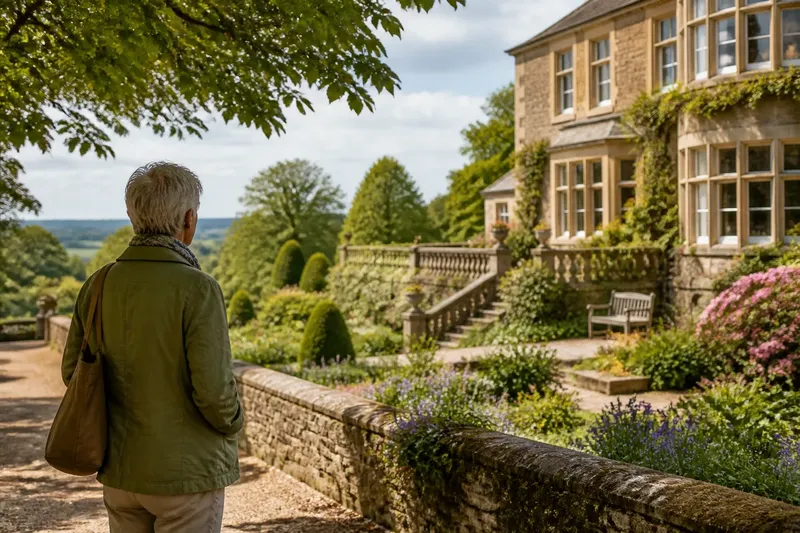
A garden offers a more open-ended experience. Paths, planting, glasshouses and changing views invite you to look, sit, and move on when you are ready. Gardens can be appealing if fresh air is part of the pleasure, though the route and available shelter matter as much as the planting.
A historic house brings rooms and objects together in a particular setting. You can notice how the building is arranged, see furnishings in place and explore the relationship between the house and its grounds. It may suit someone who enjoys domestic details and a sense of place, but some visits involve stairs, narrow passages or guided entry at set times.
Match pace and interest
Before choosing a venue, name the thing you would most like to come away having enjoyed. It could be seeing a specific collection, spending time among plants, or exploring an old building. That answer helps distinguish destinations that otherwise sound equally attractive.
Then consider your preferred rhythm. Museums often let visitors pause at one display or skip a gallery. Gardens may leave more room to choose a route, but the ground can be uneven and distances between areas may feel longer than expected. Historic houses sometimes follow a set route, so check whether visitors can sit or leave the route and return later.
Imagine you are interested in local history but would rather not spend the whole visit indoors. A historic house with accessible grounds might offer the combination you want: time in furnished rooms followed by a gentle look around the garden. If the house has a fixed tour and little outdoor access, a local museum with a nearby park may better fit that preference.
Check the visit details
Once you have a likely destination, look at the venue’s visitor information before setting off. Check opening times, booking arrangements, the entrance location, available seating and the route between key areas. For gardens, look for path surfaces, slopes and sheltered spots. For museums, check seating in galleries and whether the displays you care about are open. For historic houses, find out about stairs, timed entry and whether the grounds are included.
Accessibility information can be brief or vary across different parts of a site. If a particular feature matters to your visit, contact the venue and ask about that feature directly. Where access, admission or visitor arrangements depend on the venue’s current information, its own guidance is the source to follow.
It is also useful to think about the journey from arrival to the first part of the visit. A distant car park, a long approach or an entrance on a steep path can affect how much energy remains for the destination itself. A map or travel page may clarify these details; if it does not, ask the venue or travel provider.
Plan a comfortable outing
Choose a visit length that leaves room for breaks instead of trying to see every room or path. Identify one part you most want to visit, then treat other areas as optional. A café, bench, courtyard or sheltered seating area can become a natural pause point, especially if the venue is spread out.
For an outdoor visit, dress for the conditions and consider footwear suited to the paths described by the garden. A museum or house may be cooler than expected, or involve standing while looking at displays, so a light layer can be useful. Take only what you need for the outing, including any personal items that help you manage comfort or mobility.
If you are going with someone else, compare preferences before choosing. One person may want to read every museum label while another prefers a brief look and a sit-down; agree on a shared point to meet or a manageable portion to see together. That keeps different visiting styles from turning the day into a test of stamina.
Questions before you choose?
Which visit suits someone who likes a slow pace?
Any of the three can work if the venue has places to sit and allows a flexible visit. Look at the route and stopping options rather than assuming that one type of destination is always less demanding.
Is a garden a good choice if the weather changes?
It can be, if the garden has indoor areas, shelter or a short route you would still enjoy. Check what remains open in poor weather and decide whether that alternative is enough to make the outing worthwhile.
What should I check before visiting a historic house?
Look for information about stairs, narrow spaces, timed entry, seating and access to the grounds. If one detail could determine whether you can enjoy the visit, ask the venue for clarification before travelling.
Can I combine two types of destination?
Yes, if they are close enough that the second stop will not make the day feel rushed. Choose one as the main destination and leave the other as an optional addition, such as a short garden visit after a museum.
Make the final choice
Before you commit, picture the visit from arrival to departure: where you will begin, what you most want to see, where you can pause, and how you will get back. If that plan relies on too many uncertain details, choose a venue with clearer information or a simpler route. The best museum, garden or historic house day out is not the one with the fullest itinerary; it is the one whose setting and pace leave you glad you went.